UK markets reached record highs this week, with the FTSE 100 Index rising 2.92% to 9,490 points at the time of writing.
UK businesses cut jobs for the fourth consecutive month in September – the longest stretch of falling employment since 2021 – reflecting the ongoing impact of Rachel Reeves’ payroll tax increases last year.
According to a Bank of England survey of chief financial officers published on Thursday, British companies reduced employment by 0.4% year-on-year in September. The decline followed three months of job losses and reversed the near-continuous employment growth seen since September 2021.
Businesses’ expectations for headcount growth fell to zero in the three months to September – the weakest outlook since the start of the year and the joint lowest since 2020, when Covid-19 drove widespread layoffs.
Firms have largely blamed the hiring slowdown on tax increases introduced in Reeves’ first budget last October, a view echoed in several other surveys. Following that fiscal package, which raised taxes by £40 billion, Reeves pledged not to impose further tax hikes.
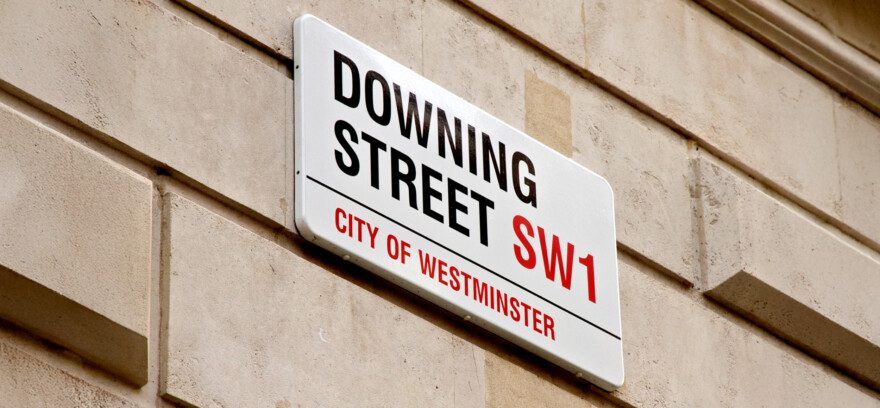
However, on Monday, Downing Street refused to rule out the possibility that she could break Labour’s manifesto commitment not to raise income tax, VAT, or national insurance to help close a fiscal gap estimated at up to £30 billion.
The Bank of England survey, which covered 2,000 companies in the first half of September, indicated that higher employer national insurance contributions and an increased minimum wage are adding to wage and price pressures.
Firms raised prices at a faster pace in September than in August, with price growth forecasts climbing to 3.7% for the year ahead, up from 3.5%. Inflation expectations also edged higher, while expected wage growth remained elevated at 3.6% in the three months to September – a key sign of persistent underlying inflation.
Commodity markets
In commodity markets, Brent crude futures hovered around $64 per barrel on Friday, near four-month lows, amid concerns of oversupply ahead of this weekend’s OPEC+ meeting. The group may agree to raise oil production by up to 500,000 barrels per day in November – triple the October increase – as Saudi Arabia seeks to regain market share.
On Wednesday, the US Energy Information Administration reported a rise in crude oil, gasoline, and distillate inventories due to softer refining activity and demand. G7 finance ministers also pledged to intensify pressure on Russia by targeting both buyers of Russian oil and those helping to circumvent sanctions. They further emphasised the use of trade measures such as tariffs and import/export bans to cut Moscow’s oil revenues.
Limiting oil’s losses, the US announced plans to provide Ukraine with intelligence for long-range missile strikes on Russian energy infrastructure, making it easier for Kyiv to target refineries, pipelines, and other assets critical to Kremlin revenue. Additional stockpiling demand from China, the world’s largest oil importer, also helped support prices.
Gold prices hit fresh all-time highs, trading around $3,865 an ounce on Friday, supported by safe-haven flows and dovish expectations from the Federal Reserve.
Equity markets
US equity futures advanced on Friday after Wall Street posted new highs in the prior session, with the AI-driven rally – boosted by renewed enthusiasm around OpenAI – remaining the main catalyst. On Thursday, the Dow Jones Industrial Average gained 0.17%, the S&P 500 rose 0.06%, and the Nasdaq Composite added 0.39%.
Meanwhile, the US government shut down on Wednesday for the first time in nearly seven years after Republicans and Democrats failed to reach a funding deal for the new fiscal year. The closure threatens hundreds of thousands of jobs and could cost the economy billions of dollars in lost output. The Congressional Budget Office estimated that about 750,000 federal workers would be furloughed. President Donald Trump and senior officials also hinted the shutdown could be used to pursue the unprecedented dismissal of public employees.
The last shutdown, from late 2018 to early 2019, lasted five weeks and reduced US GDP by about $11 billion. Democratic leaders have said they will not support Republicans’ stopgap measure to extend funding through November 21 unless it also extends healthcare subsidies due to expire at year-end.
Separately, President Trump said on Thursday that his administration is considering issuing $1,000–$2,000 rebate checks to taxpayers, funded by tariff revenues. Trump claimed tariff collections could eventually reach $1 trillion annually, while Treasury Secretary Scott Bessent projected a smaller, but still significant, figure above $500 billion.
The information provided in this communication is not advice or a personal recommendation, and you should not make any investment decisions on the basis of it. If you are unsure of whether an investment is right for you, please seek advice. If you choose to invest, your capital may be at risk and the value of an investment may fall as well as rise in value, so you could get back less than you originally invested.