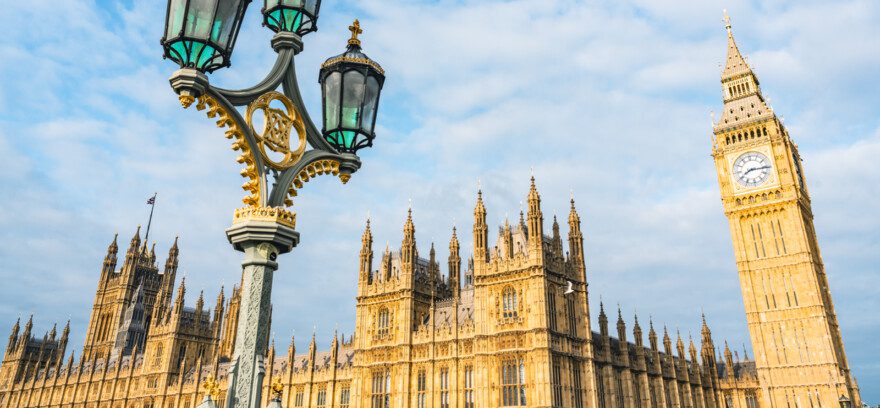
UK markets regained momentum this week, with the FTSE 100 Index rising by 2.95% to trade at 9,705 points at the time of writing.
Chancellor Rachel Reeves has increased taxes by £26 billion in this week’s long-anticipated Budget. The measures will affect working people, the wealthy and businesses with the aim of funding higher welfare spending and rebuilding the government’s emergency buffer.
Reeves, who increased taxes by £40 billion in her first Budget last year, announced a further £26 billion rise on Wednesday that will lift the overall burden to 38% of GDP by the end of the parliament. She also refused to rule out more tax rises in future Budgets. The package raises revenue through freezing tax thresholds, hitting pension salary sacrifice schemes and imposing new levies on property and dividends, with spending expanded by measures such as scrapping the two-child benefit cap.
However, much of the increased tax is due to come in several years’ time, while the spending comes sooner. Official forecasts made for uncomfortable reading for Reeves, with downgrades to projections for both growth and household disposable incomes. Inflation will also be higher than previously forecast.
Nevertheless, the bond markets welcomed her decision to increase the government’s fiscal headroom, its budgetary room for manoeuvre, to £21.7 billion by 2029-30, compared with £9.9 billion at her last fiscal statement.
The Office for Budget Responsibility predicted that one in four people would be caught by the 40% higher rate of tax by the end of the forecast period. The Budget will partly fund higher annual welfare spending, which is set to be £16 billion more a year in 2029-30 than previously forecast by the Office for Budget Responsibility. That includes more than £3 billion for the abolition of the two-child benefit cap and is also boosted by inflation.
This week’s fiscal package comes after Reeves’ post-election Budget last year raised taxes by the most since the early 1990’s. It represents a breach of the Chancellor’s subsequent vow not to come back for more taxes and will pile pressure on an economy that has been struggling to gain momentum.
Elsewhere, UK inflation is forecast to average 3.5% in 2025, up from the 3.2% expected in March, according to the Office for Budget Responsibility. Inflation is set to decline to 2.5% in 2026, compared with previous forecasts of 2.1%.
Commodity markets
In the commodity markets, Brent crude futures traded around $63 per barrel on Friday and are set to end the week slightly higher, as markets weighed talks to end the war in Ukraine against the impact of Western sanctions against Russian supply.
US envoy Steve Witkoff is set to travel to Moscow next week with other senior US officials for talks with Russian leaders on a possible plan to end the nearly four-year-old war in Ukraine. Russian President Vladimir Putin said on Thursday that outline draft peace proposals discussed by the United States and Ukraine could become the basis of future agreements to end the conflict in Ukraine, but if not, Russia would fight on.
Meanwhile, the Organization of the Petroleum Exporting Countries and allies are likely to leave output levels unchanged at a meeting on Sunday, three OPEC+ sources told Reuters. Some members of the group, which pumps about half of the world’s oil, have been raising production since April to gain market share.
Gold prices traded around $4,160 an ounce on Friday and are set for a weekly rise, boosted by investor optimism that the US Federal Reserve would cut interest rates in December.
Equity markets
US equity futures traded higher on Friday after markets were closed on Thursday for the Thanksgiving holiday. In Wednesday’s regular trading session, the Dow Jones Industrial Average rose 0.67%, the S&P 500 gained 0.69%, whilst the Nasdaq Composite advanced 0.82%.
US economic activity was little changed in recent weeks, although employment was weaker in about half of the Federal Reserve’s 12 districts and consumer spending declined, the US central bank said on Wednesday in its “Beige Book” report, likely reinforcing concerns about the job market as the next interest rate decision nears.
Published two weeks ahead of each Federal Reserve policy meeting, the report is meant to help central bankers assess the economy’s health with more timely and often more colourful insight than is available in the official statistics. With the data vacuum left by the record 43-day government shutdown that extended into mid-November, the Beige Book should get more weight than usual in the deliberations among deeply divided Federal Reserve policymakers, following their decision last month to cut interest rates by 0.25% for the second consecutive meeting. The policy rate currently stands in the 3.75%-4.00% range.
The data flow has resumed since the shutdown ended, but most of the reports issued over the past two weeks have been significantly dated, covering the period just before the shutdown began on October 1st, and have offered almost no fresh insight into the health of the economy.
The number of Americans filing new applications for unemployment benefits fell by 6,000 to a seven-month low of 216,000 last week, suggesting layoffs remained low, though the labour market is struggling to generate enough jobs for those out of work amid economic uncertainty. The absence of labour market deterioration in the weekly jobless claims report from the Labor Department on Wednesday argued against the Federal Reserve cutting interest rates again next month, with inflation still elevated, economists said.
The information provided in this communication is not advice or a personal recommendation, and you should not make any investment decisions on the basis of it. If you are unsure of whether an investment is right for you, please seek advice. If you choose to invest, your capital may be at risk and the value of an investment may fall as well as rise in value, so you could get back less than you originally invested.